Until a few years ago, 3D printing was just an expensive hobby for enthusiasts. However, thanks to increased competition and development in the field, it has quickly become aneveryday toolfor engineers, designers, and even regular people. This guide will detail everything you need to know about 3D printing and how these machines work.
What is 3D Printing?
3D printingis a method of producing actual, three-dimensional objects directly from a computer model. In contrast to cutting out something from a big block, 3D printing constructs objects by adding material in layers. This allows individuals to design parts and products of any shape, size, and degree of detail.
Old 3D printers were slow, expensive, and used only a few plastics. However, times have changed since, and the hardware has become faster, cheaper, and more flexible. It’s less expensive to create accurate drawings, quick prototypes, and small runs without the enormous capital outlays of conventional techniques.

Types of 3D Printing Technologies
There are several printing technologies, each offering unique methods for creating objects.
1. Fused Deposition Modeling (FDM)
The most prevalent and used are FDM printers, particularly in schools and among hobbyists. They build objects by heating up plastic filaments and forcing them through a hot nozzle, extruding the plastic one thin layer at a time.
2. Stereolithography (SLA)
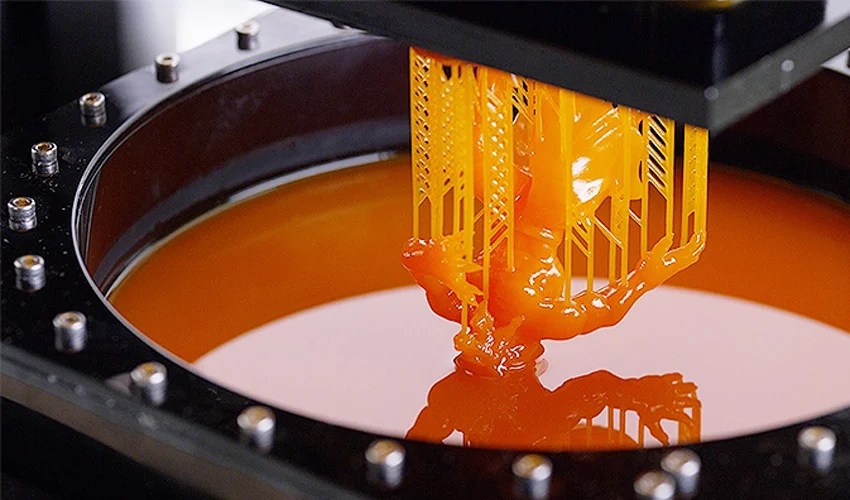
Specifically, SLA printers utilize a laser to harden liquid resin into plastic called photopolymerization. This method creates parts with extremely smooth surfaces and high resolution, making it a preferred choice for jewelry, dental models, and prototypes.
3. Selective Laser Sintering (SLS)
SLS printers use a laser to fuse tiny amounts of polymer powder into solid components. Since the leftover powder acts as a support structure for the part while it prints, SLS can print dense, detailed parts without further support structures, perfect for complex designs.
How Does a 3D Printer Work?
A 3D printer brings a digital idea to life by carefully building objects layer by layer. Here’s a simple step-by-step look at how it works:
Applications of 3D Printing
Many industries use 3D printing to produce goods faster, at lower costs, and with more customization than traditional methods allow.
Conclusion
Today, 3D printing is no longer only a model-making technology. It offers innovative solutions and enhanced designs across various fields, including medicine, production, and education. Moreover, with new materials and new techniques waiting in the wings, the future of 3D printing looks even brighter.